Music in Athens
Socrates Drank The Conium
Socrates will probably never get inducted into the Rock and Roll Hall of Fame. But while other groups were becoming well known in the free world, this Hendrix-style blues band was playing to standing-room-only crowds in a small club in Athens, during Greece's military dictatorship, a period when even Rolling Stone albums were hard to find, and for a time illegal. |
|
by Matt Barrett
|
|
Socrates sounded like several bands that were popular at the time, Jimi Hendrix Experience, Deep Purple, Blue Cheer, and Black Sabbath come to mind now when I hear their music from that early period, though the majority of their material was original. There were songs that were crowd favorites such as "Close the Door and Lay Down" (or what we called "Do It To The Rythm"), "Starvation" ("Give Them Some Bread") and "Underground", but often the highlight of the evening was when they did their Hendrix songs like "Voodoo Chile", "Message of Love" and "Red House" or jammed on songs like "Kansas City" with singer Jimi Quidd (later of the NY Dots) and Greek-American blues guitarist John Kronis. |
|
|
|
Socrates made two albums as a three-piece, both pretty awful because of poor mixing and mastering though the songs and performances were good. In those days producers had no idea what to do with a group like Socrates. It would be like recording Rage Against The Machine after spending 20 years doing Herman's Hermits. Later the group added a lead singer and different variations of guitarists, keyboards. At one time both Spathas and Tourkoyorgis played guitars. Vangelis Papathanasiou, otherwise known as Vangelis joined them for an album or two and made them more of a progressive-rock band with lots of keyboard, synth and guitar interweavings. But the three-piece version of the band's first two albums and the original rock-blues style was probably their best shot at world fame. |
|
In December of 2003 I took the first album which had been re-mastered to CD, to Brent Lambert at Kitchen Mastering and asked him if there was something we could do to make it sound better. He listened to it and told me there was. By isolating frequencies, equalizing and compressing he was able to take several songs from the CD and make them sound pretty good, almost as they should sound. If we had the original source tapes of course we could have done a lot more but the songs are certainly listenable and you can get an idea of what a great band Socrates was and what an amazing guitarist Yannis Spathas was then and is now. He may become an international guitar hero yet. He certainly deserves to be. |
|
|
|
Sadly Yannis Spathas died in 2019 after moving back to his native island of Paxos in the Ionian Sea. Andonis Tourkogiourgis suffered a stroke and whether he will ever be able to play again I don't know. I am hoping he will and maybe team up with one of the thousands of talented young guitarists to do a new version of Socrates. In the meantime I hope you enjoy these songs that we took off their 1972 Polygram album. This was truly a labor of love from me for the group that was probably my biggest influence. I feel I was very lucky to have been able to listen to them so often. Too bad I could not become a better musician just by listening to them. Maybe you can. PLAY IT LOUD! Live
In the Country Thanks to Brent at The Kitchen Mastering at www.kitchenmastering.com who performs miracles and made these guys sound almost like I remember them. See also Yiannis Spathas vs Richie Blackmore: Who was Better? |
|
You can read about the Socrates influenced music of Parthenon Huxley at www.parthenonhuxley.com and Matt Barrett at www.mattbarrett.net/music and the legendary CC Bluesking which was Athens' first punk band in 1971. Also of interest see Rembetika and Greek Popular Music This page is dedicated to Jimi Hatzidimitiou aka Jimi Quidd and his cousin Anetta who took me downtown to see Socrates for the first time and changed my life. Thank You. Let me know what you think. |
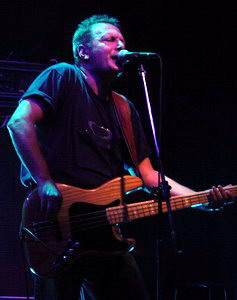
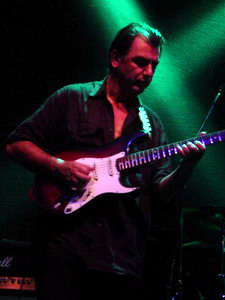
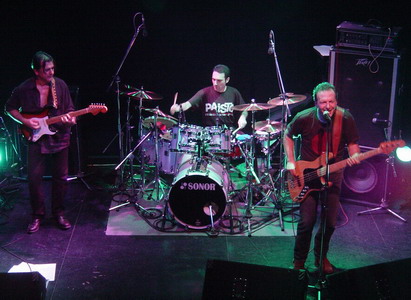 Socrates was Yannis Spathas and Antonis Tourkoyorgis on guitar and bass respectively. During the period that they were playing in the Kitarro Club they went through several drummers including George Trantalidis, all of them terrific. In Athens during the early seventies,
when the 1967 military dictatorship was still in control, there were a number of rock clubs in the area around Victoria Square and in the Plaka. Poll and Morka played at the Elaterion. Socrates and Exidaktilos played at the Kitarro. As Dorian Kokas, the founder and leader of Morka told us one night "We used to race through our set and play everything fast so we could get
out early and go to the Kittaro and catch the last set of Socrates." Musicians loved Socrates. Even Savopoulos used to go hear them.
Socrates was Yannis Spathas and Antonis Tourkoyorgis on guitar and bass respectively. During the period that they were playing in the Kitarro Club they went through several drummers including George Trantalidis, all of them terrific. In Athens during the early seventies,
when the 1967 military dictatorship was still in control, there were a number of rock clubs in the area around Victoria Square and in the Plaka. Poll and Morka played at the Elaterion. Socrates and Exidaktilos played at the Kitarro. As Dorian Kokas, the founder and leader of Morka told us one night "We used to race through our set and play everything fast so we could get
out early and go to the Kittaro and catch the last set of Socrates." Musicians loved Socrates. Even Savopoulos used to go hear them.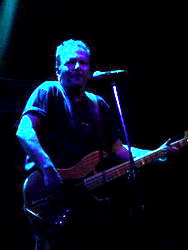 We were musicians too. Barely. Rick Miller (
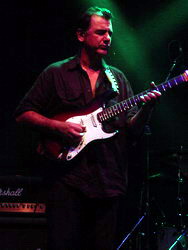 Spathas played a Fender Strat, long straight hair hanging down almost to the guitar, he was motionless except for his hands which effortlessly ripped out the most fluid, solos and riffs. He always hooked the chord to his amp over the bottom cutaway so he would not step on it and pull it out during a solo, I suppose. It was sort of his trademark in a way and we would watch him tune up and wait for him to do it which meant to us that the music was about to begin. He would play
some mind-boggling riff to make sure the volume was right or the guitar was in tune and they would be off. Antonis Tourkoyorgis played bass and sang and if Spathas gave the appearance of being introverted he was the complete opposite. He was also a great bass player. The powerful sound this little three-piece band with their stacks of Marshalls put out in the Kittaro kept us coming back night after night. In all honesty I have to say that to this day I have not heard any band, three-piece or more,
fill as much musical space. Seeing the Who in 1976 I found myself comparing them to Socrates. OK, the Who is the Who. But apart from the personalities, the songs I knew and the flamboyance, were Townshend, Entwhistle and Moon as good a band as Socrates? No way. Led Zepplin? Nope. You'd have to ask someone who had seen Hendrix or Cream to make the judgement about those bands but I can't imagine anyone being better than Socrates on a good night and as far as those nights in the Kittaro went I don't think they ever
had a bad night. They were too good to have a bad night.
Spathas played a Fender Strat, long straight hair hanging down almost to the guitar, he was motionless except for his hands which effortlessly ripped out the most fluid, solos and riffs. He always hooked the chord to his amp over the bottom cutaway so he would not step on it and pull it out during a solo, I suppose. It was sort of his trademark in a way and we would watch him tune up and wait for him to do it which meant to us that the music was about to begin. He would play
some mind-boggling riff to make sure the volume was right or the guitar was in tune and they would be off. Antonis Tourkoyorgis played bass and sang and if Spathas gave the appearance of being introverted he was the complete opposite. He was also a great bass player. The powerful sound this little three-piece band with their stacks of Marshalls put out in the Kittaro kept us coming back night after night. In all honesty I have to say that to this day I have not heard any band, three-piece or more,
fill as much musical space. Seeing the Who in 1976 I found myself comparing them to Socrates. OK, the Who is the Who. But apart from the personalities, the songs I knew and the flamboyance, were Townshend, Entwhistle and Moon as good a band as Socrates? No way. Led Zepplin? Nope. You'd have to ask someone who had seen Hendrix or Cream to make the judgement about those bands but I can't imagine anyone being better than Socrates on a good night and as far as those nights in the Kittaro went I don't think they ever
had a bad night. They were too good to have a bad night.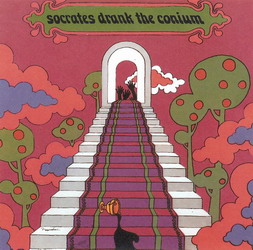 What made them so remarkable was
the guitar playing of Spathas. Even today listening to the solos
he played in 1972 I still can't believe the music he was making. Brent
Lambert of Kitchen Mastering, quite a guitar player himself,
after hearing several Spathas solos from thirty years ago said "If
this guy had come to America he would be a guitar hero and
everyone would know his name."
If you liked the way Hendrix, Ritchie Blackmore, Jimmy Page and
Eddie Van Halen play you will love Spathas and if you play guitar
yourself you will wonder "If this was thirty years ago and
he is still playing how good must he be now?"
What made them so remarkable was
the guitar playing of Spathas. Even today listening to the solos
he played in 1972 I still can't believe the music he was making. Brent
Lambert of Kitchen Mastering, quite a guitar player himself,
after hearing several Spathas solos from thirty years ago said "If
this guy had come to America he would be a guitar hero and
everyone would know his name."
If you liked the way Hendrix, Ritchie Blackmore, Jimmy Page and
Eddie Van Halen play you will love Spathas and if you play guitar
yourself you will wonder "If this was thirty years ago and
he is still playing how good must he be now?"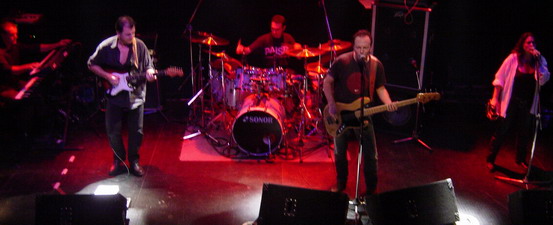 Socrates was still playing at the turn of the century. They were again a three-piece with Spathas and Tourkogiorgis joined by -Makis Gioulis, a fine drummer in the traditon of the band. Asteris Papastamatakis played keyboards on some material and a female vocalist named Markela Panagiotou, sang harmony and did duets with
Tourkogiorgis and sings a couple songs on her own. Still the best part of the night for me is when the band stripped down to the core of guitar-bass-drums and they played the old songs from the Kittaro or jam on some Hendrix tunes. Maybe I am just nostalgic but I can't help listening to them and thinking of what might have been. Had it not been for the fact that they were at their prime during the dictatorship then maybe Greece might have been known as the country that gave us Socrates instead of Yanni. Then again
oppression can breed great art as an instrument of rebellion. Socrates with their long hair, beards and high-energy blues and rock and roll were a window on the world outside and the reason people crammed into the Kittaro every weekend. For that reason they belong alongside the great bands of Rock and Roll History.
Socrates was still playing at the turn of the century. They were again a three-piece with Spathas and Tourkogiorgis joined by -Makis Gioulis, a fine drummer in the traditon of the band. Asteris Papastamatakis played keyboards on some material and a female vocalist named Markela Panagiotou, sang harmony and did duets with
Tourkogiorgis and sings a couple songs on her own. Still the best part of the night for me is when the band stripped down to the core of guitar-bass-drums and they played the old songs from the Kittaro or jam on some Hendrix tunes. Maybe I am just nostalgic but I can't help listening to them and thinking of what might have been. Had it not been for the fact that they were at their prime during the dictatorship then maybe Greece might have been known as the country that gave us Socrates instead of Yanni. Then again
oppression can breed great art as an instrument of rebellion. Socrates with their long hair, beards and high-energy blues and rock and roll were a window on the world outside and the reason people crammed into the Kittaro every weekend. For that reason they belong alongside the great bands of Rock and Roll History.More Socrates from Youtube

Help Support Matt's Greece Guides
Do you enjoy using my site? Have you found it entertaining as well as useful? If so please show your appreciation by booking hotels through the travel agencies and the links found on my Hotels of Greece site. The small commission I make on the bookings enable me to keep working and in most cases you won't find them any cheaper by searching elsewhere.
You can find
hotels in Greece by location, price, whether or not it has a swimming pool, and see photos and reviews by using this link to booking.com which also contributes to my website when you book. If you are appreciative of all the free information you get on my websites you can also send
a donation through Paypal or Venmo
Join Matt Barrett's Greece Travel Guides Group on Facebook for comments, photos and other fun stuff. If you enjoy this website please share it with your friends on Facebook and other social media.
